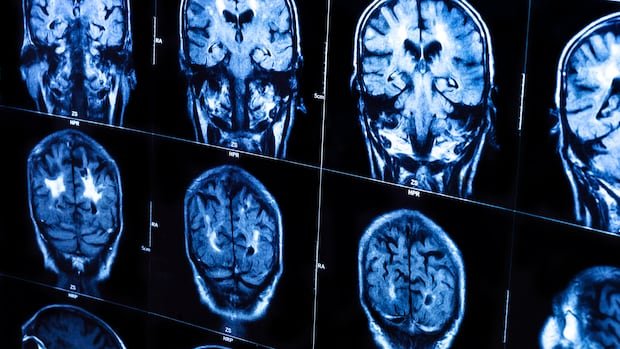

In October last year, Dave Evans had surgery to remove a tumor from his pituitary gland, which was causing him significant health issues. The surgical team at London Health Sciences Centre (LHSC) worked meticulously to extract the growth, located in a delicate area near the base of Evans’s brain. Neurosurgeon Dr. Neil Duggal and his colleagues navigated around vital arteries and nerves to ensure a safe procedure, as any damage could lead to severe complications.
During the surgery, the team used LHSC’s new mobile MRI to check their progress, a unique approach that allowed them to confirm the removal of nearly 99% of the tumor. Mobile MRI technology, though futuristic-sounding, has been in use for over a decade and is increasingly utilized in Canadian healthcare facilities for various medical procedures, including pituitary tumor surgeries and emergency diagnostics like strokes.
The adoption of mobile MRI and CT scanners is on the rise in Canada, driven by technological advancements and cost-effectiveness. These portable devices offer flexibility and accessibility, particularly benefiting patients in remote areas. While the impact of mobile scans on patient care requires further research, experts are optimistic about the potential to enhance surgical outcomes and reach underserved populations.
In Alberta, the only mobile stroke unit in Canada operates round-the-clock, utilizing a CT scanner inside an ambulance to diagnose strokes promptly. This mobile approach has proven crucial in delivering timely clot-busting treatments, significantly improving patient outcomes. The convenience and efficiency of mobile scans play a vital role in emergency situations, allowing for quick and accurate diagnoses, especially for time-sensitive conditions like strokes.
Despite the promising benefits of mobile scanners, challenges such as limited image quality and connectivity issues in rural areas persist. Continuous advancements in technology and training are essential to maximize the impact of these devices on healthcare delivery. The increasing use of mobile MRI and CT scanners signals a positive shift towards enhancing accessibility and improving health outcomes for patients across diverse settings.