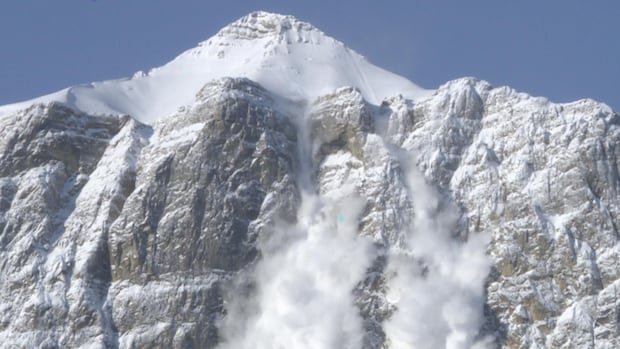

A warm storm moving through British Columbia this weekend is heightening avalanche risks during a time of year that is historically perilous for avalanches in Canada. The system, as per Environment and Climate Change Canada, will bring precipitation, strong winds, and elevated freezing levels across much of the province. Brian Proctor, a meteorologist at the weather agency, noted that this setup is likely to lead to increased snowfall at higher elevations over the weekend.
Avalanche hazards are projected to peak on Saturday in parts of the South Coast, including the North Shore Mountains, as freezing levels are anticipated to rise above 1,500 to 1,800 meters. The expected inclement weather conditions could bring rain on top of existing snow in various mountain regions, a combination that experts warn can escalate the risk of avalanches.
Karina Bakker, a forecaster at Avalanche Canada, explained that storms introducing new snow or rain onto existing snow can raise pressure on those layers, making it more prone to collapsing or sliding. The current concern revolves around “persistent slab” conditions, where a layer of snow rests atop weaker snow buried deeper in the snowpack.
Bakker highlighted that these deeper weak layers can make avalanches harder to predict compared to other types due to the absence of typical warning signs. March, historically the deadliest month for avalanche fatalities in Canada, witnesses a complex evolution of the snowpack as winter progresses, increasing the likelihood of multiple layers forming within the snowpack.
Given the heightened risks, Avalanche Canada urges individuals venturing into the backcountry to stay updated on daily forecasts and opt for conservative terrain choices. It is recommended to exercise patience, stick to slopes under 30 degrees during considerable avalanche danger ratings, and altogether avoid avalanche-prone areas when the danger rating is high.