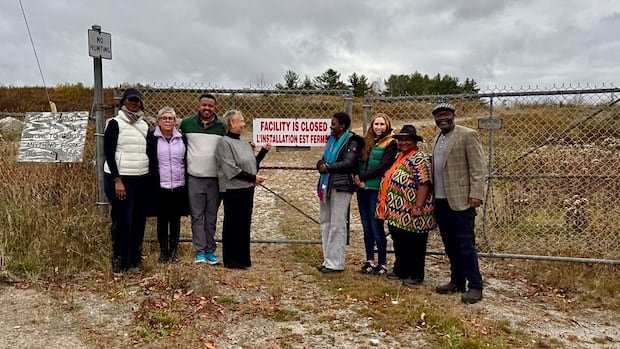

Amnesty International, a global organization known for addressing human rights issues in developing nations, has become involved in a local dispute in a small town in southwest Nova Scotia. The organization is supporting efforts to provide clean water to a community of African Nova Scotians living near an old landfill site in Shelburne.
Residents have expressed concerns that the landfill may have contaminated their well water, leading to elevated cancer rates among the approximately 50 Black residents in the area. Amnesty International’s Canadian office representatives visited the town in late October to listen to residents’ stories and witness the environmental challenges firsthand.
David Matsinhe, the group’s director of research, policy, and advocacy, described the conditions at the former landfill site as shocking and not reflective of a developed country. He emphasized that access to clean water and land tenure are fundamental human rights that need to be upheld.
After the visit, Amnesty International wrote a letter to Shelburne town council and the mayor, urging them to address the longstanding environmental and racial injustices faced by the community. The organization called for safe drinking water provision, landfill cleanup, and accountability for what is widely perceived as a case of environmental racism.
While Shelburne Mayor Stan Jacklin declined to comment publicly, his biography indicates his involvement in efforts to provide clean drinking water to residents through the South End Environmental Injustice Society (SEED). Louise Delisle, a longtime advocate for environmental justice and founder of SEED, welcomed Amnesty’s support in addressing the community’s concerns.
Efforts are underway to decommission the landfill site, with initial groundwater tests revealing potential contamination. Scientific studies are being conducted to determine the link between the landfill and health issues in the community, particularly elevated cancer rates.
Delisle has emphasized the need for reparations to address the impacts of environmental racism, including lower property values in the affected area. While some progress has been made towards establishing a community well, funding and support from the Nova Scotia government are crucial to realizing this initiative.
Amnesty International’s involvement and ongoing advocacy by community members like Delisle are crucial in pushing for environmental justice and access to clean water for all residents. The situation in Shelburne highlights the importance of addressing environmental racism and ensuring accountability for past injustices.