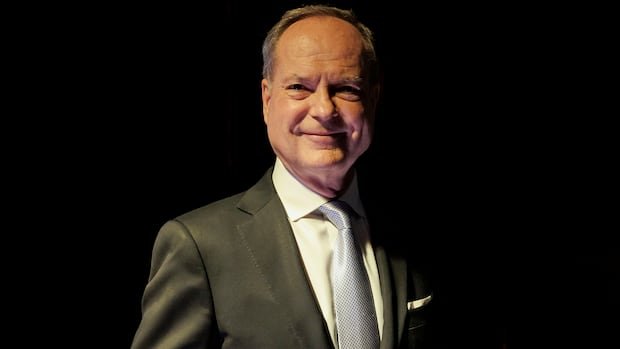

Ontario’s finance minister has pledged to stand firm on the ban of American alcohol in LCBO stores, despite concerns raised by U.S. officials about its impact on trade negotiations with President Donald Trump’s administration. Peter Bethlenfalvy reaffirmed this decision during a recent interview with CBC News, highlighting that the directive to remove U.S. alcohol from shelves was in response to tariffs imposed by the Trump administration.
The minister emphasized that the government is committed to maintaining the ban until the tariffs are completely lifted. He stated that the removal of these tariffs is the sole condition for reconsidering the boycott of American alcohol in Ontario.
In a broader context, U.S. trade representative Jamieson Greer has outlined several conditions that Canada must meet to extend the Canada-U.S.-Mexico agreement. The ban on American alcohol, along with a decline in Canadian tourism, has drawn criticism from U.S. Ambassador to Canada, Pete Hoekstra, who described Canada’s actions as obstructive to trade relations.
Bethlenfalvy refrained from speculating on the reasons behind the White House’s irritation with the ban, emphasizing the need for constructive dialogue to reach mutually beneficial trade agreements. The finance minister also highlighted the positive impact of the ban on local Ontario producers, noting significant growth in the sales of domestic wines and craft beers.
Looking ahead, the government remains focused on the upcoming renegotiations of the CUSMA agreement in 2026. Bethlenfalvy expressed support for Prime Minister Justin Trudeau in securing a favorable deal for both countries, underscoring the importance of achieving certainty in trade relations.
Despite challenges posed by the tariffs, Ontario continues to provide targeted support to sectors affected by the trade dispute through the $5-billion Protect Ontario Fund. The government aims to address concerns raised by opposition lawmakers regarding the pace of fund distribution and the need for additional assistance to mitigate the impact on unemployment rates.
Bethlenfalvy also defended the government’s decision to provide a $100 million loan to Algoma Steel, emphasizing the commitment to preserving jobs and supporting struggling industries. He addressed criticisms regarding Ontario’s rising debt levels, asserting that investments in infrastructure projects will yield long-term benefits for the province.
The minister acknowledged the controversy surrounding the Skills Development Fund and emphasized the importance of ongoing improvements to enhance the training opportunities it provides for workers. He highlighted efforts to address recommendations from the Auditor General to ensure transparency and accountability in the program.