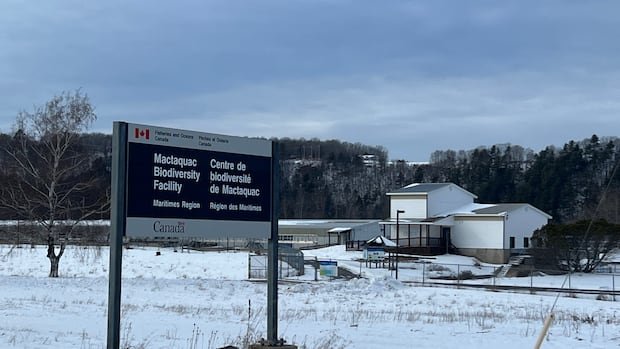

The decision to close the Mactaquac Biodiversity Facility in New Brunswick has sparked criticism from the Wolastoqey Nation, Atlantic salmon scientists, and conservationists. The facility, located below the Mactaquac Dam on the St. John River, includes a hatchery in French Village. This closure, along with another facility in Coldbrook, N.S., is part of the Department of Fisheries and Oceans’ cost-cutting measures.
The closure also means the discontinuation of the Atlantic salmon live gene bank program and related salmon-stocking activities. The Wolastoqey group expressed deep concern over the unilateral decision, highlighting the lack of consultation with indigenous communities and the impact on salmon populations and the river ecosystem.
According to Tommi Linnansaari, a biology professor at the University of New Brunswick, the Mactaquac facility plays a crucial role in various salmon conservation programs. The staff at the facility collect wild brood stock, fertilize eggs, and release baby salmon in different locations upstream. They also support DFO recovery programs for salmon populations in the Bay of Fundy.
The closure of the hatchery will have severe consequences for salmon populations in the St. John River, which have significantly declined over the years. David Roth, the Atlantic Salmon Federation’s New Brunswick program director, emphasized the critical role of these operations in maintaining salmon populations.
The Wolastoqey Nation is evaluating the impact of the closure on employment opportunities and salmon conservation efforts. The agreement signed in 1968 between the federal government and N.B. Power established the Mactaquac Biodiversity Facility to mitigate the ecological effects of the dam. The closure raises concerns about fulfilling obligations under fisheries legislation to maintain fish passage.
While the reasons for the closure remain unclear, it is speculated that cost considerations may be a factor. However, experts like Linnansaari and Roth believe that revamping the recovery programs or improving the facility infrastructure could boost salmon populations. The potential interruption in hatchery operations could undo decades of conservation work and jeopardize the genetic diversity of salmon populations in the region.