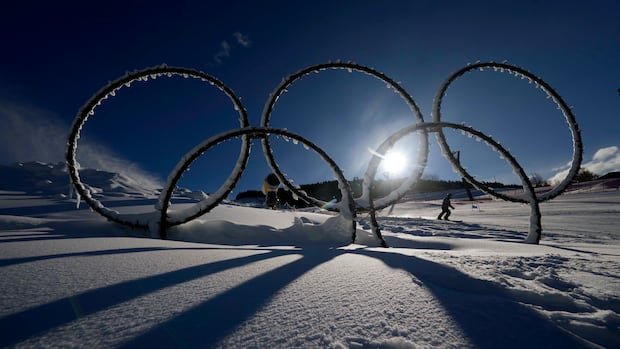

The Winter Olympics and Paralympics have long been a celebration of snow, cold weather, and mountainous landscapes — serving as a global platform for sports that rely on consistent winter conditions.
However, with rising temperatures and unpredictable snowfall, the reliability of these conditions is increasingly uncertain. Environmental experts caution that Olympic organizers may be overstating the sustainability of the Games.
As Italy prepares to host the upcoming Winter Olympics and Paralympics, the challenges posed by climate change are influencing decisions on planning, infrastructure, and environmental commitments. The International Olympic Committee (IOC) has recognized the issue, with a 2024 study revealing that only around half of past Winter Olympics host cities will have suitable conditions by the 2050s.
A ski-resilience index from November 2025 highlighted the vulnerability of many ski resorts to changing snow patterns, including Cortina d’Ampezzo, the primary venue for the upcoming Games. Despite these concerns, the IOC maintains its commitment to reducing carbon emissions by 50% by 2030 and ensuring that competition sites remain climate reliable.
The Italian Alps are already experiencing above-average temperatures, with natural snow becoming less dependable. Consequently, artificial snow and refrigeration are now essential for maintaining suitable competition conditions. Italy’s track record in sustainability planning, as evidenced by previous events like the 2006 Turin Olympics, is being leveraged for the Milano-Cortina Games.
While efforts are being made to raise awareness about climate change through the event, some critics question the effectiveness of such initiatives. Sustainability expert Madeleine Orr suggests that while progress has been made, there are still significant challenges in meeting ambitious sustainability goals, as seen in previous Olympics.
Concerns also extend to the environmental impacts of spectator travel, which is a major source of emissions at sporting events. The exclusion of this aspect from the official accounting of emissions raises questions about the true sustainability of the Games.
As the Winter Games face mounting pressure from climate change and rising costs, calls for a rotation model, where a few climate-stable venues take turns hosting, are gaining traction. The future of the Winter Olympics hangs in the balance as organizers grapple with the evolving environmental landscape and the need for innovative solutions to ensure the long-term sustainability of the Games.