
Barry Blacklock, a former resident of Venezuela and a veteran in the energy sector, has been inundated with messages since the news of U.S. forces seizing Nicolás Maduro surfaced. He is currently involved in organizing a group of companies interested in investing in Venezuela, anticipating a surge in demand for their services in the coming years. Blacklock, who has decades of experience in the international oil and gas industry, believes a significant change is imminent in Venezuela, although the exact nature of this change remains uncertain.
The recent intervention in Venezuela by the U.S., coupled with President Donald Trump’s plans to revitalize the country’s oil sector, has sparked cautious optimism among some players in Alberta’s energy industry. Despite the potential opportunities in Venezuela, challenges persist, including political instability and doubts about the extent of U.S. engagement.
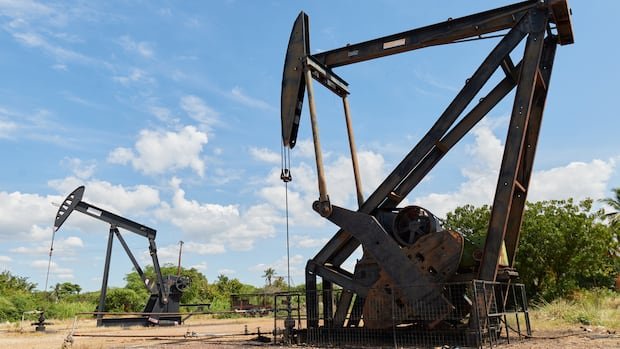
Venezuela boasts the world’s largest proven crude reserves, but its oil industry has suffered from decades of underinvestment and neglect due to corruption and state control. This presents a lucrative prospect for foreign companies, particularly those in Alberta with expertise in heavy oil similar to Venezuela’s crude.
However, concerns about the operational environment in Venezuela loom large. Questions about taxation, royalties, safety for Canadian workers, and the level of U.S. involvement remain unanswered. The rebuilding of Venezuela’s oil infrastructure is projected to require significant time and financial resources.
While some industry leaders express interest in potential opportunities in Venezuela, they emphasize the need for stability, legal safeguards, and contract certainty. Security for the workforce is also a critical consideration in any future ventures in the country.
Pedro Pereira-Almao, a former Venezuelan oil industry professional, highlights the challenges of working in a volatile environment and emphasizes the importance of political and economic backing from the U.S. before considering any engagements in Venezuela. He envisions a scenario where former colleagues could contribute to Venezuela’s energy sector if conditions improve.
The prospect of increased oil output from Venezuela potentially competing with Western Canadian heavy oil exports raises concerns about market share for Alberta’s energy sector. Despite the allure of business opportunities in Venezuela, there are apprehensions about the potential impact on the Canadian industry once Venezuelan oil re-enters the global market.
In conclusion, while the unfolding developments in Venezuela present promising prospects for the energy sector, uncertainties and risks underscore the need for cautious optimism and strategic planning before venturing into the Venezuelan market.