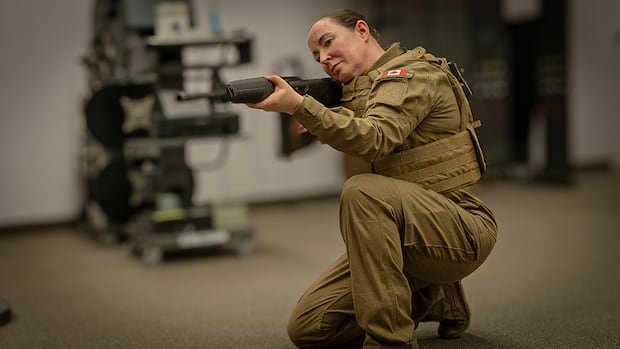

In Canada, the military is customizing uniforms and body armor to better fit female soldiers, over 30 years after allowing women in combat roles. Previously, women wore gear tailored for men, leading to challenges and injuries. Retired major Sandra Perron, the first female infantry officer, recalled struggling with ill-fitting men’s uniform components. This mismatch not only caused injuries but also signaled neglect, affecting morale.
To address recruitment and retention issues, the military is revamping combat clothing for the Canadian Army and Royal Canadian Air Force with gender-specific designs for the first time. The goal is to have women comprise 25% of the forces by 2026. Despite a rise in female recruits in 2024-25, there was a high attrition rate among women. As part of the overhaul, tailored merino wool base layers and new combat uniforms are being introduced, featuring cuts to suit women’s bodies.
The initiative, led by Emma Moon, focuses on designing uniforms based on women’s body shapes for the first time. Moon highlighted the significance of this move, emphasizing the support it signifies. However, military culture expert Charlotte Duval-Lantoine criticized the delay in implementing these changes, pointing out the adverse effects of poorly fitting gear on women in service.
The government’s shift in language regarding equipment design in 2014 indicated a lack of full implementation of recommendations to support women in the military. Research shows that musculoskeletal injuries are a major reason for women leaving the military. Despite knowing about the fit issues for years, the military has not adequately addressed the problem, potentially compromising the safety and effectiveness of female soldiers.
The modernization efforts include developing body armor systems with tailored features for women, such as darting around the chest and shorter plates. The project manager, Serge Côte, secured substantial funding for the initiative to upgrade clothing and equipment, aligning with global trends toward gender-specific gear. Lt.-Col. Melanie Lake praised the new gear for enhancing operational effectiveness and survivability, emphasizing its importance for frontline service members.
Logistik Unicorp, a Quebec-based company, is producing the customized uniforms, expected to roll out from 2027 onwards after rigorous testing. The CEO of a retreat center for women veterans, Sandra Perron, highlighted the significance of these initiatives in recognizing women’s contributions and enhancing their sense of belonging in the military.