
A mandatory assessment of the Canada-U.S.-Mexico trade agreement is set to begin next year as President Donald Trump aims to reshape global trade and attract key industries from neighboring countries. The trade negotiations, known as CUSMA, posed challenges for Ottawa during the first Trump administration but ultimately resulted in a successful agreement that replaced NAFTA.
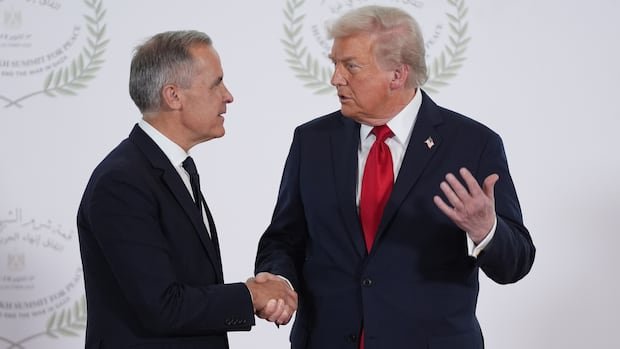
However, doubts about the future of CUSMA have surfaced since Trump’s return to office. In a meeting with Prime Minister Mark Carney at the White House, Trump referred to the deal as “transitional” and hinted that its purpose might have been fulfilled. According to Fen Osler Hampson, an international affairs professor at Carleton University, trade with Canada is like an iceberg, with hidden economic ties forming a deep and interdependent relationship.
The review process for CUSMA began with public consultations in the U.S. in September, and the Trump administration is expected to present a report to Congress early next year outlining desired changes. Formal discussions are scheduled to commence in July, with Canada’s Trade Minister Dominic LeBlanc initiating talks with American counterparts in January.
The three countries involved in CUSMA face three options: renew the agreement for another 16 years, withdraw from it, or indicate non-renewal and non-withdrawal, triggering annual reviews to keep negotiations ongoing. While Trump has suggested longer-term negotiations, he has also mentioned the possibility of letting CUSMA expire.
Key issues likely to be addressed during negotiations include dairy supply management, softwood lumber subsidies, non-tariff barriers, as well as concerns regarding digital services regulations and provincial bans on American alcohol sales in response to tariffs. The auto industry, with its integrated North American supply chain, is another focal point, particularly in light of Trump’s tariffs.
Canada is expected to leverage its critical minerals and energy resources as bargaining chips in the discussions. The U.S. is keen on securing a steady supply of critical minerals to reduce China’s dominance in the global supply chain. The outcome of the negotiations may also be influenced by a pending U.S. Supreme Court ruling on Trump’s tariff policies.
As the negotiations progress, the looming midterm elections in the U.S. and potential changes in Congress could further impact the trade agreement. While uncertainties persist about the role of Congress in any modifications to CUSMA, Trump may have the authority to withdraw from the agreement without congressional approval.
Both countries are maneuvering to strengthen their positions heading into the negotiations, with Canada focusing on diversifying trade relationships beyond the U.S. market. The balance of leverage between the parties will likely depend on their respective objectives and long-term strategies.