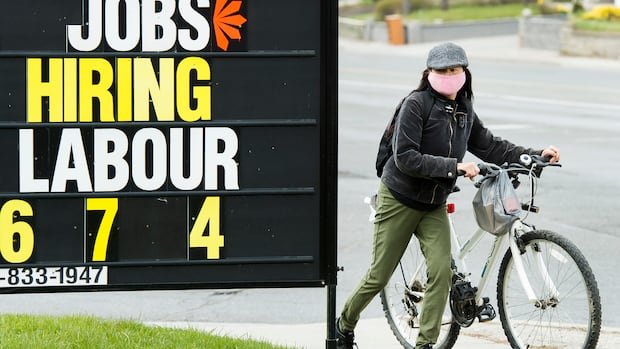

A recent year-end survey conducted by Nanos indicates that Canadians are looking for the Liberal government to address key economic issues in the upcoming year. Jobs and the economy emerged as the top concerns for over 20% of respondents, surpassing relations with the United States and President Donald Trump, which were prioritized by only 10% of the participants. Other significant national issues for Canadians include inflation, healthcare, and immigration.
In a separate survey also released this week, Nanos highlighted that consumer confidence remains neutral as the new year approaches. The polling, which gathered input from over 1,000 individuals in the four weeks leading up to December 26, carries a margin of error of plus or minus three percentage points, 19 times out of 20.
Nanos’ Chief Data Scientist, Nik Nanos, pointed out that the economy and U.S. relations vied for top position in voters’ concerns throughout 2025. While job-related matters took the spotlight in the recent poll, the uncertainty surrounding trade relations with the U.S. is contributing to speculation about Canada’s economic performance in 2026.
Consumer sentiment appears pessimistic regarding personal finances, creating a sense of apprehension as the new year approaches. Nanos suggested that the current anxiety may deter Canadians from making significant purchases, potentially impacting the economy in the coming year.
Prime Minister Mark Carney, who assumed office this year, positioned himself as the most capable leader to navigate challenges posed by President Trump and economic disruptions. The Liberal government, under Carney’s leadership, has introduced initiatives to accelerate housing and infrastructure projects, reduced income taxes for most citizens, and increased federal deficits to focus on capital investments.
Despite securing additional seats in 2025, the Liberal government remains one seat short of a majority. If the minority government fails a confidence vote, it could trigger a federal election. According to Nanos polling, the Liberals lead the Conservatives by 38.4% to 34.1%, with Carney maintaining a higher preference as Prime Minister compared to Conservative leader Pierre Poilievre.
While Canadians express a desire for action on issues like housing and grocery costs, there is skepticism towards politicians promising to resolve long-standing affordability challenges. Nanos highlighted that Poilievre and the Conservatives may have an advantage on inflation concerns, but Carney is likely more trusted in negotiating with Trump.
With support for Liberals and Conservatives closely matched within the margin of error, the NDP, currently at an 11.2% voting intention share, could play a pivotal role in the next election. The Conservatives aim to attract progressive voters from the Liberals by encouraging NDP revival after their upcoming leadership contest.
As 2026 approaches, Canadian expectations for progress on major economic matters may lead to frustration if the Liberals fall short of their 2025 campaign promises. Poilievre could capitalize on this sentiment to remind voters of unmet commitments by the Carney government from the previous year. In the upcoming year, addressing the concerns of discontented voters who seek action and tangible outcomes will be crucial for the government.