
Human actions exacerbating climate change led to 2025 being among the top three warmest years recorded, according to scientists. This year marked the first instance where the three-year average temperature surpassed the target outlined in the 2015 Paris Agreement of limiting global warming to 1.5 degrees Celsius since preindustrial times. Experts emphasize that maintaining temperatures below this threshold is crucial to saving lives and averting widespread environmental devastation.
A recent analysis by World Weather Attribution researchers revealed the impact of human-induced climate change on extreme weather events worldwide. Despite the occurrence of a La Niña event, which typically cools Pacific Ocean waters and influences global weather patterns, temperatures remained elevated. Researchers attribute this to the ongoing combustion of fossil fuels such as oil, gas, and coal, which release greenhouse gases into the atmosphere.
Friederike Otto, a climate scientist at Imperial College London and co-founder of World Weather Attribution, emphasized the urgent need to cease fossil fuel consumption to meet the warming target. She highlighted the increasing clarity of scientific evidence in this regard.
In 2025, the deadliest disasters were heatwaves, as identified by WWA scientists. They found that some heatwaves observed during the year were ten times more likely due to climate change compared to a decade ago. These extreme events, intensified by global warming, have become more frequent and severe, posing significant challenges for adaptation and response efforts.
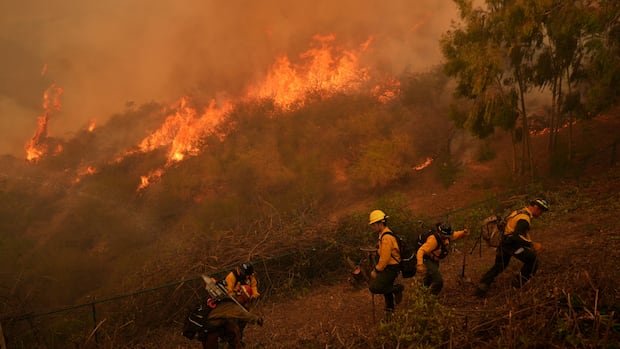
The report also highlighted other extreme weather events in 2025, including wildfires in Greece and Turkey, floods in Mexico, and typhoons in the Philippines, underscoring the escalating threats posed by climate change globally. The report emphasized the limitations in adapting to these increasingly severe events, affecting millions of people worldwide.
The United Nations climate conference held in Brazil in November faced setbacks in transitioning away from fossil fuels. While countries pledged more funds to support climate adaptation, the transition process is expected to take time. Various nations are at different stages of progress in addressing climate change, with some like China investing in renewable energy sources alongside coal, while others, like the U.S., are prioritizing fossil fuels over clean energy policies.
The geopolitical landscape regarding climate action remains uncertain, with policymakers often prioritizing the interests of the fossil fuel industry over public welfare. Disinformation further complicates efforts to combat climate change, according to experts. Responding to increasingly intense and complex extreme weather events requires enhanced early warning systems and innovative strategies for recovery and resilience.
Andrew Kruczkiewicz, a senior researcher at Columbia University Climate School, emphasized the need for accelerated global action to address climate change challenges. While progress is evident, more concerted efforts are necessary to mitigate the impacts of climate change effectively.