


This week on Quirks & Quarks with Bob McDonald:
Jet-lagged seabirds stray from their routes
Shearwaters travel vast distances across the ocean from east to west, relying on the sun for navigation. Researchers examining the movements of these seabirds unexpectedly found that their ability to navigate can be disrupted by a phenomenon similar to jet lag. Patrick Lewin, a biologist affiliated with the University of Oxford, discovered that during long migrations, the sun’s position can become misaligned with the birds’ internal clocks, leading them off their intended paths. The shearwaters appear to have adapted methods to quickly regain their bearings, potentially providing insights into overcoming jet lag in humans. The findings were published in the journal Science.
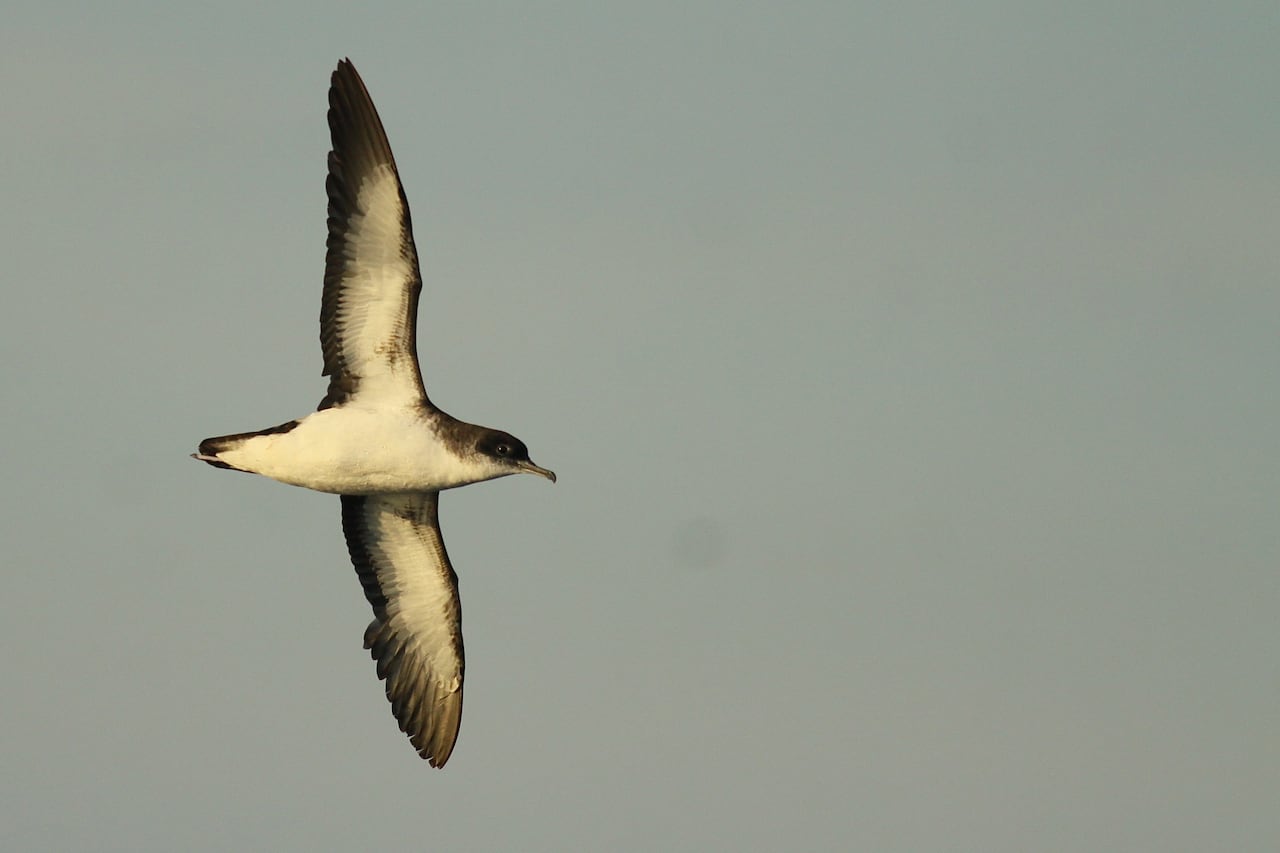
A Manx shearwater soaring around its nesting area in Wales. These birds can travel up to 1,000 km to reach feeding areas situated near the center of the Atlantic Ocean, and can encounter a form of jet lag on their return journey. (Joe Wynn)
Ice Age Alaskan basecamp uncovers life 13,800 years ago
Archaeologists digging at a site in Alaska, dating back 13,800 years, have discovered an abundance of artifacts and features that provide fresh insights into the culture and lifestyle of the region’s early inhabitants. This location, referred to as ShÉg’ Xdaltth’i’, was inhabited by hunter-gatherers towards the end of the last Ice Age when the Bering Land Bridge connected mainland Russia with Alaska. According to Kelly Graf, an archaeologist from the University of Kansas who led the study, this site could be the oldest known habitation area in North America. The research findings are detailed in the journal Science Advances.
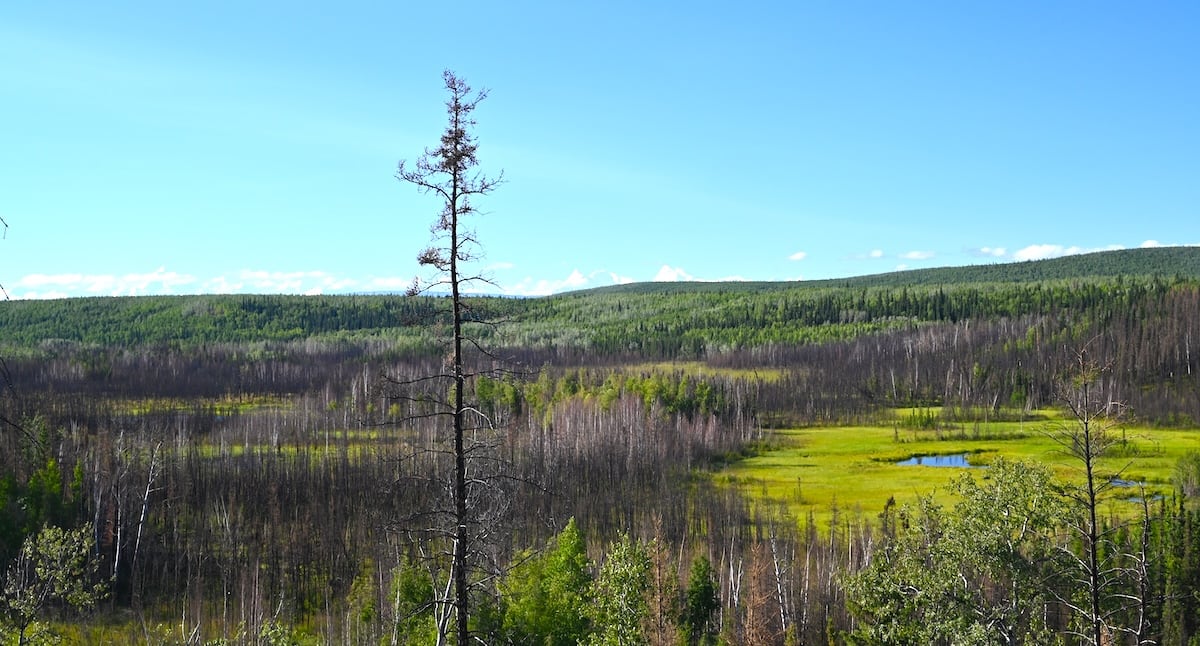
The perspective from the ShÉg’ Xdaltth’i’ site shows the Alaska Range in the background. (Kelly Graf)
Battery researcher receives Canada’s highest science honor
Linda Nazar, a highly esteemed chemistry professor at the University of Waterloo, has been awarded the NSERC Herzberg Gold Medal, one of Canada’s most esteemed scientific recognitions, for her contributions to the development of advanced batteries. Nazar’s investigations into efficient and sustainable energy storage technologies have significantly influenced the engineering of batteries used in electric vehicles and energy systems for power grids.

Linda Nazar, a prominent chemistry professor at the University of Waterloo, has been honored with the 2026 NSERC Herzberg Gold Medal. (Sylvie Li)
Extended space missions may increase astronauts’ hip fracture risk
Astronauts engaged in prolonged space missions can lose approximately one to two percent of their bone density each month while in microgravity. A recent study published in Mayo Clinic Proceedings, conducted by Jean Sibonga, a biomedical scientist at NASA’s Johnson Space Center, and her team, indicated that astronauts who spend over 90 days in space are at an elevated risk of suffering hip fractures upon their return to Earth. Notably, astronaut hip fractures occurred at a younger age compared to the rates typically seen in non-astronauts who are 8 to 16 years older.
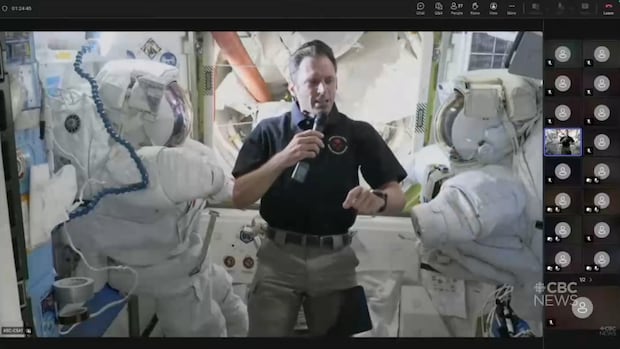
Canadian astronaut Joshua Kutryk answers questions from International Space Station
Negative fathering and supermales: The impact of estrogen on fish
Pharmaceutical innovations have undoubtedly transformed human lives. However, many of these drugs pass through our systems and find their way into aquatic ecosystems, where they can significantly affect fish. In a comprehensive, multi-year experiment conducted in a whole lake, Karen Kidd, an aquatic ecotoxicologist at McMaster University, investigated the effects of low concentrations of synthetic estrogen, commonly found in hormone treatments and contraceptives, on bighead minnows. Her research revealed that exposure to estrogen increased aggression in male fish, leading to neglect of their parental roles and adverse consequences for the fish population. The study results were published in the journal Current Biology.
In another study, researchers from the Idaho Department of Fish and Game utilized hormones to eliminate invasive brook trout from waterways. They engineered “supermales”—male fish possessing two Y chromosomes instead of the usual X and Y. When these supermales mate with females, all resulting offspring are male. Eventually, this leads to a scenario where only older males remain in the river, causing the invasive species to become extinct without causing direct harm to other fish or the ecosystem. This project was led by Kevin Meyer, a fisheries research biologist, and documented in the journal Transactions of the American Fisheries Society.
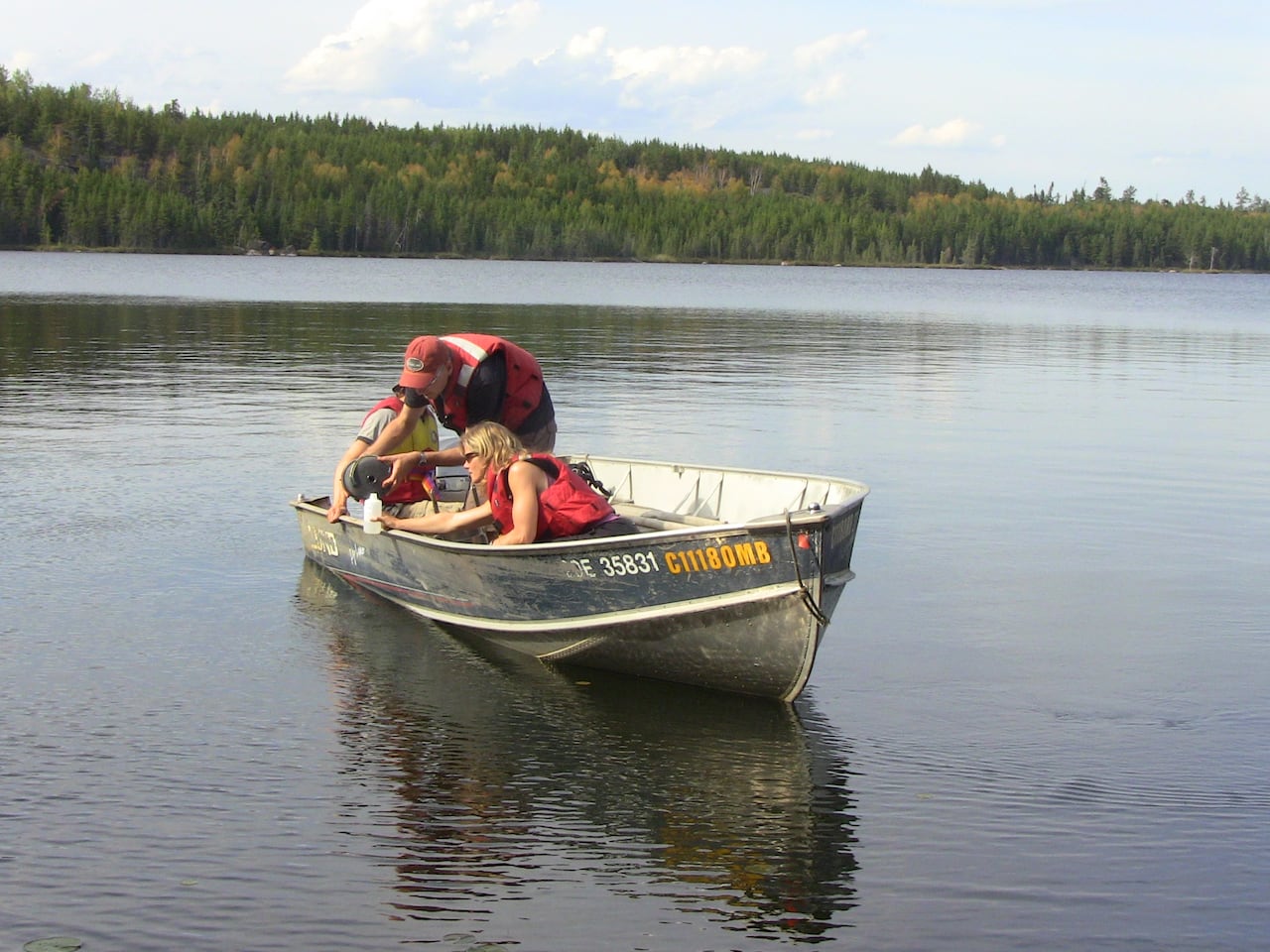
Karen Kidd and her team collect water samples from a boat at the Experimental Lakes Area, located near Kenora, Ont. Their lake-wide study indicated that introducing trace amounts of estrogen into the water resulted in male bighead minnows becoming neglectful fathers, leading to a decline in their population. (Submitted by Karen Kidd)