
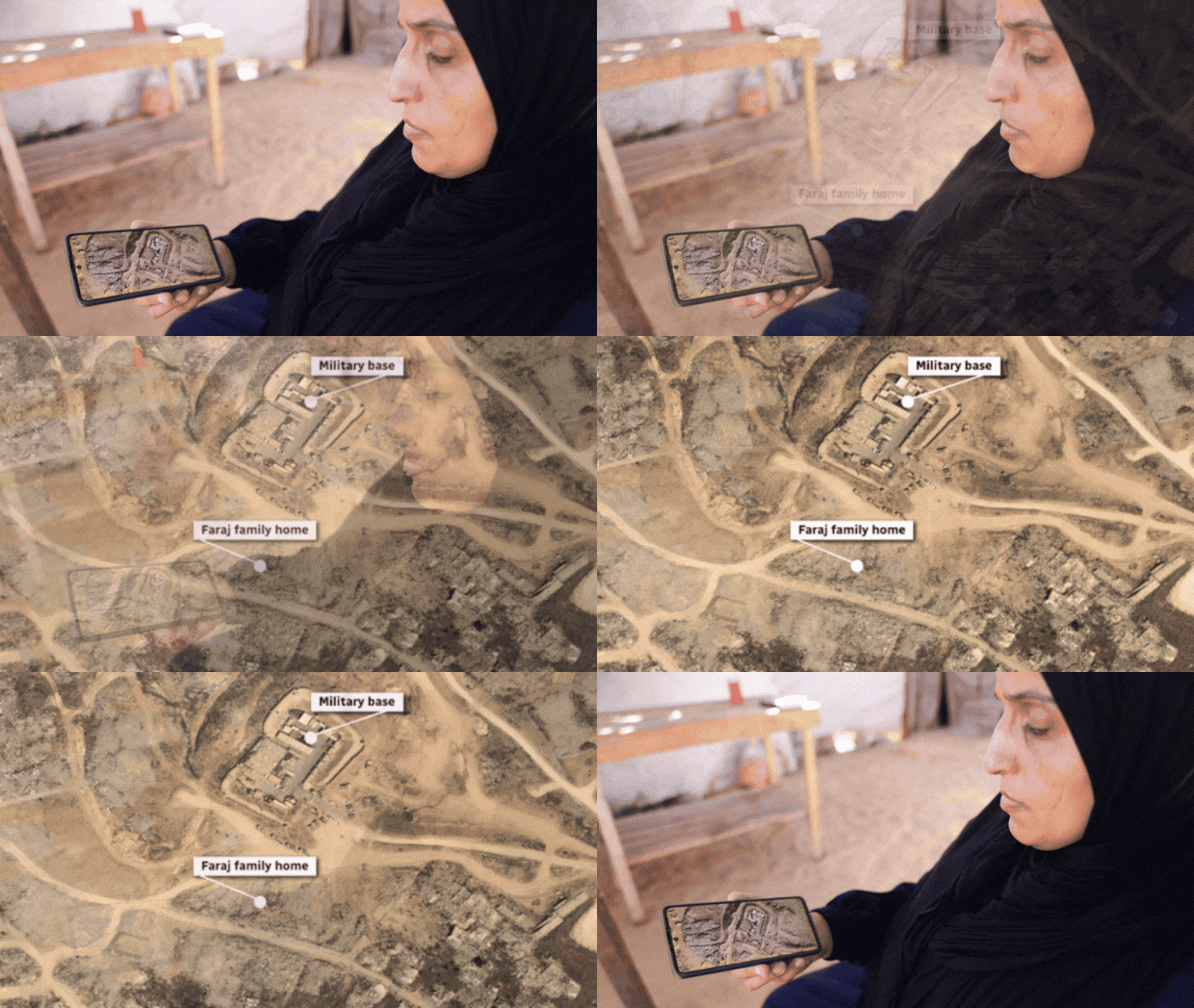

Satellite images reveal that Israel is clearing rubble and debris from Gaza, potentially leaving human remains and evidence of war crimes underneath, as shown in a visual investigation by CBC News. Multiple areas in Gaza that were once populated are being cleared to make room for new military outposts for the Israeli Defence Forces (IDF).
Families in Gaza are expressing concerns that the clearing operations are hindering their ability to recover the bodies of their loved ones trapped in the rubble. A Palestinian resident, Dalal Faraj, whose home in Gaza City was bombed, expressed distress upon viewing satellite footage of the cleared site, questioning the whereabouts of the bodies and homes.
UN officials have recently highlighted worries that Israel may not be handling the rubble, including potential human remains, appropriately following the almost three-year conflict initiated by Hamas-led attacks in October 2023. In 2024, the International Court of Justice instructed Israel to preserve evidence related to alleged violations of the UN Genocide Convention in Gaza.
Israel Defense Forces (IDF) clarified that the clearance of structures and infrastructure in Gaza is carried out based on tactical necessity and to mitigate risks to its troops. The IDF maintains that all bodies found in the area are treated with respect and seriousness.
Residents in Gaza have reported that they were not informed about the retrieval of bodies before or after the IDF removed rubble from their homes. In one case, a former neighborhood in Gaza City where a family home once stood has been replaced by a new IDF military base, leaving families like the Farajs devastated.
Another example is the destruction of the “Swedish Village” settlement in southern Gaza, where 14 family members of Shaher Mohamed Abu Ouda remain missing. The satellite imagery depicts the transformation of the area, with rubble being cleared and military bases constructed over former residential sites.
Experts, including Júlia Nueno Guitart from Forensic Architecture and Janina Dill from Oxford University, have expressed concerns about the potential destruction of evidence and lack of proper handling of war casualties, emphasizing the importance of adhering to international law in such operations.