
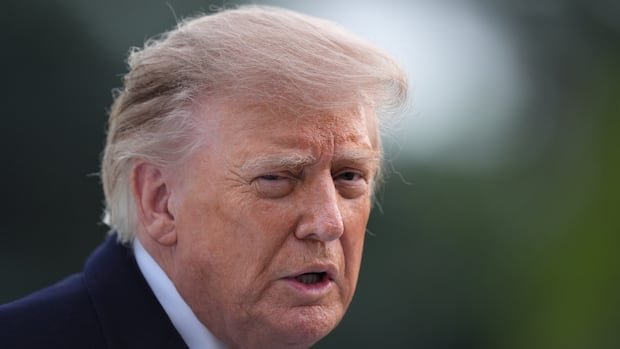

The White House announced on Friday that U.S. President Donald Trump is scrapping nearly $1 billion in approved spending by Congress, utilizing a controversial power to eliminate funding for immigrant services and diversity-focused programs. The Office of Management and Budget (OMB) labeled the funding cuts as targeting “the most detrimental government expenditures.”
The majority of the cuts are directed towards services for immigrants, such as non-profit organizations aiding refugees and unaccompanied minors suspected of being in the country unlawfully. The administration argues that these funds are now deemed unnecessary due to a significant reduction in illegal border crossings. Additionally, the budget cuts affect a Department of Education program for migrant students, a Department of Justice office dedicated to reducing racial tensions, a business development initiative for minority entrepreneurs, housing counseling services from the Housing and Urban Development Department, and several grants from the Health and Human Services Department labeled as “outright harmful and ideologically biased.”
A press release from the White House highlighting the funding reductions pointed out that some of the affected organizations are led by individuals who served in the Obama administration. Senator Susan Collins, a Republican facing a tough re-election campaign and chair of the Senate Committee on Appropriations, criticized Trump’s actions, stating that the cuts were made without warning or consultation and vowed to address these “unlawful actions” with her colleagues.
Under federal law, Congress has 45 days to review the proposed spending cuts before they are implemented. However, Trump’s announcement came with only five days remaining in the fiscal year and the House not in session until after the November midterm elections, making it challenging for Congress to undertake a timely review. The Government Accountability Office has stated that this maneuver, known as a “pocket rescission,” is illegal.
Senator Collins condemned the move as another attempt by the OMB to undermine Congress’s constitutional authority over spending decisions. Last year, Trump employed a pocket rescission for the first time in almost five decades, blocking $4.9 billion in congressionally approved foreign aid. The Supreme Court declined to halt these rescissions, citing Trump’s substantial influence in foreign affairs. This year, the focus is on domestic spending.
The use of pocket rescissions aligns with the Trump administration’s broader strategy to increase control over the government, diminishing the power of Congress. The last pocket rescission occurred in 1977 when President Jimmy Carter rescinded it. The administration argues that it is a legally permissible tool, despite some ambiguity, as Carter had initially proposed the clawback well before the 45-day deadline.
Senator Patty Murray of Washington, the leading Democrat on the Senate Appropriations Committee, condemned the White House’s actions as “theft from the American people.” Murray emphasized that these funds were approved by Congress on a bipartisan basis and should be aiding individuals, not cut off by a president more interested in construction projects than investing in families. Democrats have pushed to prevent the administration from overriding Congress’s spending decisions in recent negotiations, but Republicans have resisted.
In addition to cutting funds for immigrant services, the White House also rescinded $70 million for what it termed “woke” international education initiatives, $28 million in grant funding for Health and Human Services research programs, $9 million in debt relief for foreign nations supporting climate change policies, and $10 million from a minority business development program.