
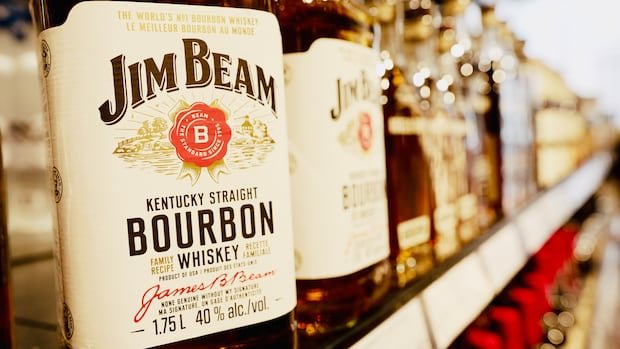

Ontario may be incurring around $20 million annually to retain a substantial inventory of delisted U.S. alcohol, as estimated by a Brock University operations specialist. Michael Armstrong, an associate professor at Brock focusing on operations and logistics, calculated the yearly carrying expenses for storing $79.1 million worth of delisted U.S. alcohol. These costs, covering warehousing, insurance, security, and capital, could range from approximately $10 million to $30 million per year.
Armstrong highlighted the paradox of spending $20 million yearly to retain unsold alcohol stock, questioning the value of such a decision. He arrived at this figure based on an industry standard where annual inventory carrying costs typically amount to a quarter of the product’s value.
The LCBO did not provide information on taxpayer expenditure for storing the $79.1 million worth of unsold U.S. alcohol by the deadline. In November, records obtained through Ontario’s freedom of information act revealed the extent of the LCBO’s stockpile, although significant portions of the documents were redacted. CBC News has challenged these redactions with the Information and Privacy Commissioner of Ontario.
Armstrong noted that the LCBO, similar to the Ontario Cannabis Store, operates with a high level of secrecy. He questioned the necessity of keeping detailed inventory information confidential from the public.
The removal of U.S. alcohol from Ontario shelves following tariffs and annexation threats from former U.S. President Donald Trump has left the LCBO with a significant unsold inventory worth $79.1 million. This prolonged stockpile raises concerns about the ongoing costs of maintaining a symbolic trade protest after the initial economic impact may have already occurred.
Alongside the liquor ban, a wider consumer backlash has emerged, with some Canadians shunning U.S. products, avoiding trips to the U.S., and seeking alternatives to American brands. Experts suggest that this broader Canadian boycott of U.S. goods, particularly in the alcohol sector, could lead to lasting changes in consumer behavior.
Data from the LCBO indicates that Canadian and European producers swiftly filled the gap left by delisted American wines. Ontario’s wine market share surged from 27 to 31 percent immediately after the ban. Concerns are growing within the U.S. alcohol industry that temporary trade measures could result in permanent market losses if Canadian consumers permanently switch to domestic and European alternatives.
Muhammad highlighted the unique effectiveness of the boycott, attributing it to the control exerted by provincial Crown monopolies over alcohol sales in Canada. The varying provincial responses since the March 2025 ban indicate diverging approaches, with some provinces resuming imports and sales of American alcohol while others, like Ontario and British Columbia, continue to enforce the ban despite escalating financial implications.